If you prefer watching videos, click here: https://youtu.be/uqBt0HUBuLw
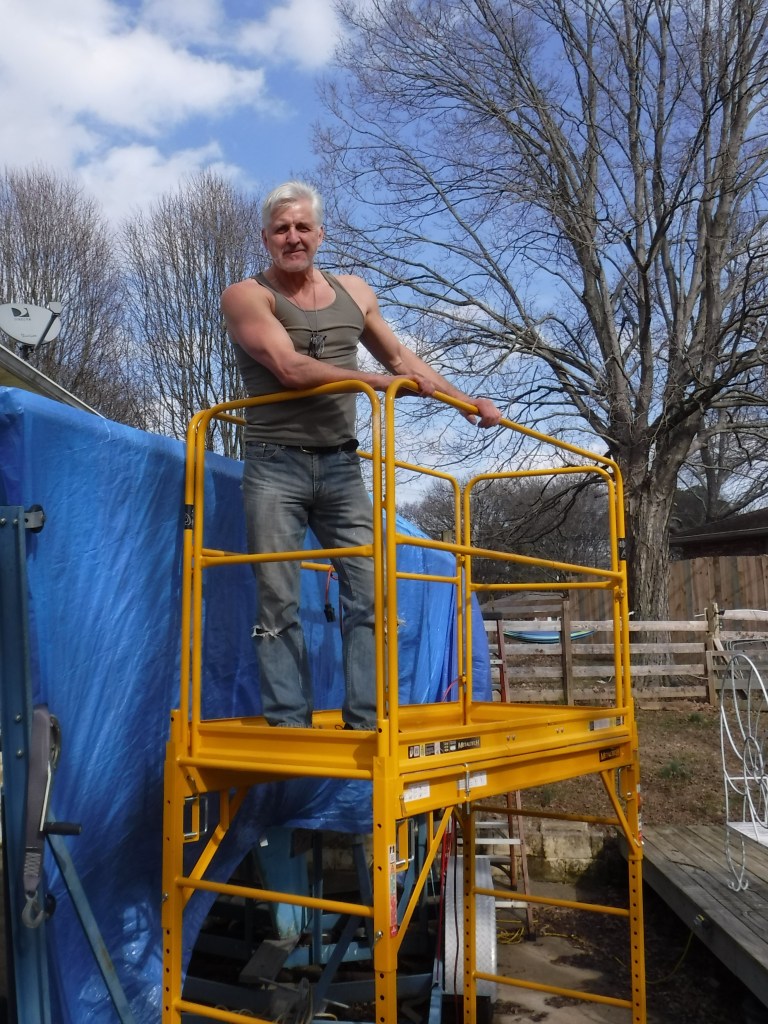
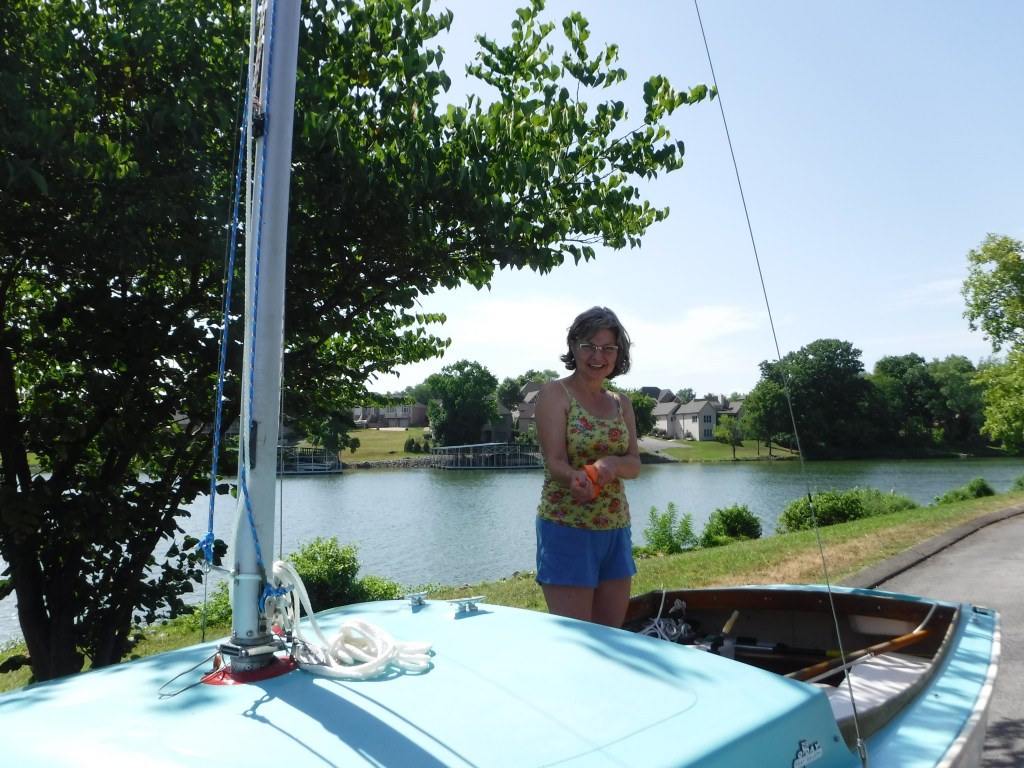
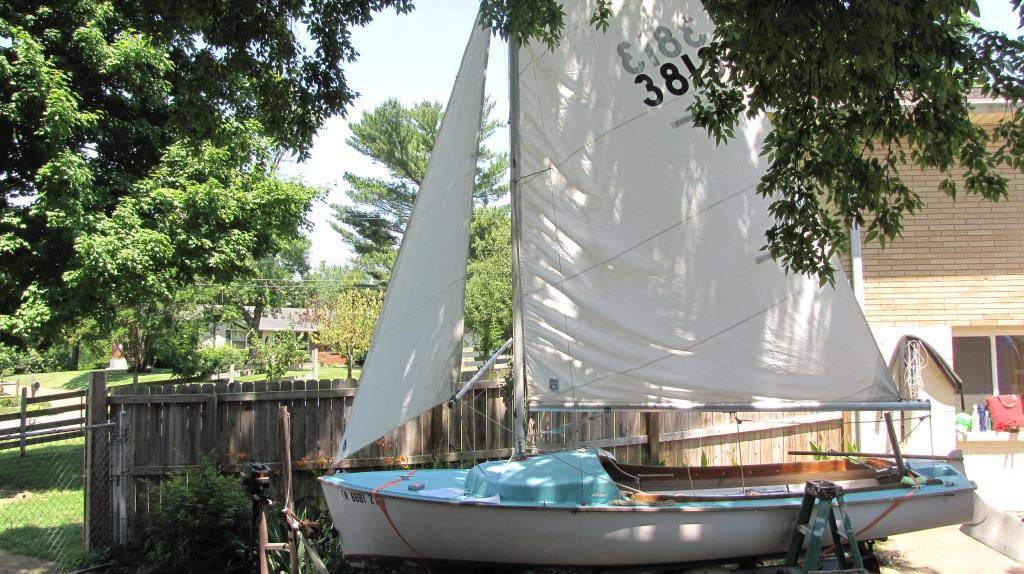
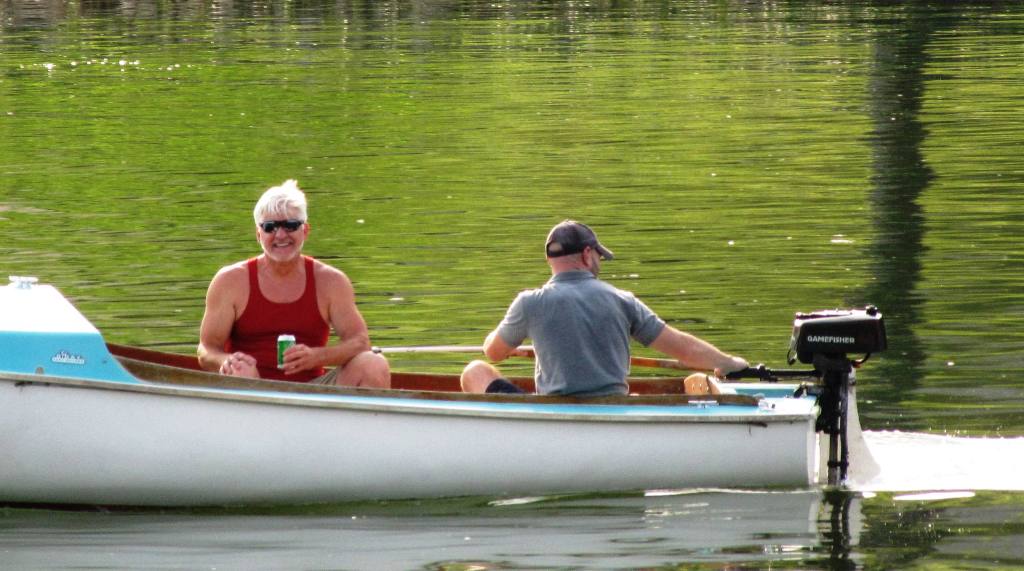
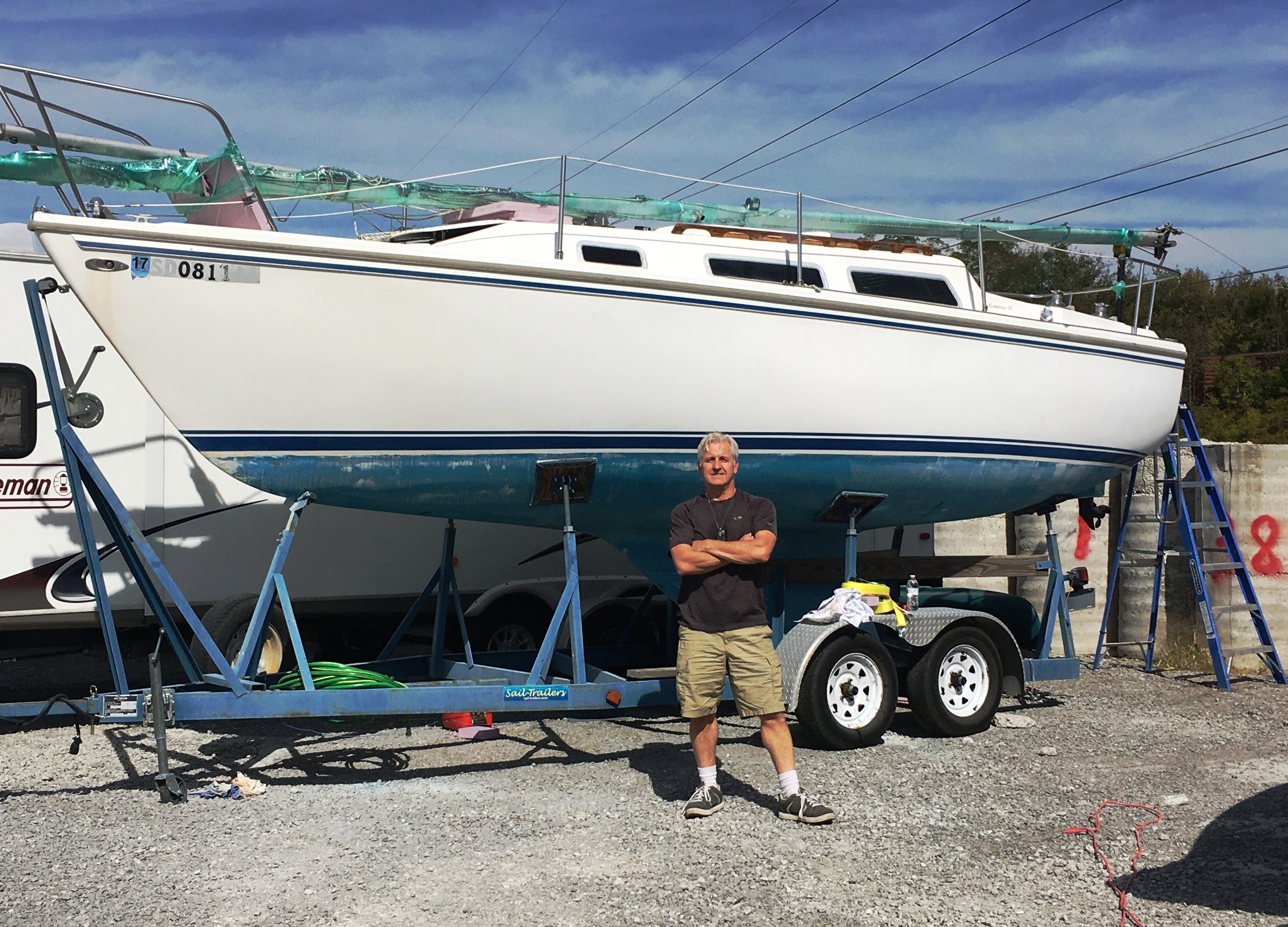
As I mentioned before, when our sailboat arrived at the back door, she didn’t have a name. However, Felicity certainly had her fair share of issues. But let’s be honest, as my photo implies, maybe we all have one or two!
Now, repairing a sailboat, though challenging, can also be a whole lot of fun. And it is perhaps for that reason so many other things seem more important. So, despite the best intentions and meticulous plans fixing Felicity often gets pushed to one side.
While most of her issues are minor, a few are significantly important. And if it weren’t for the internet’s sailing community, Rhonda and I wouldn’t have known where to start. We appreciate your videos and posts very much. They help us keep moving down through our to-do list and closer to sailing Felicity. So, a massive great thank you to all of you!
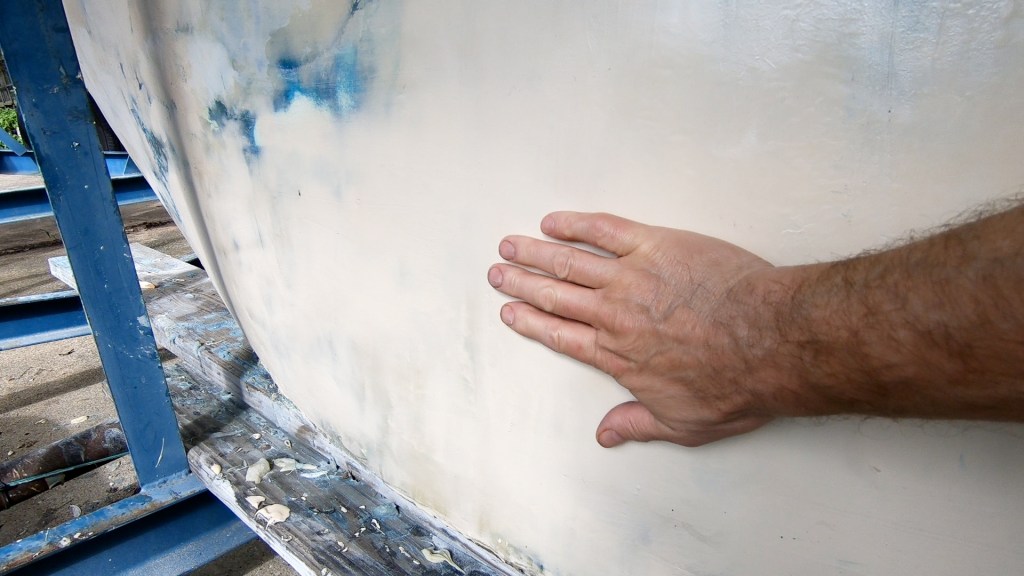
In my last post, I told you how I went about fixing Felicity’s Catalina Smile. Now, with the keel joint sealed and the surface faired out, she looks and feels great. But all of that work would have been pointless without addressing her corroded keel bolts.
Now, a disclaimer as every situation is different. This post is not meant to be a recommendation. I based my work on the research I did and my assessment of the keel bolts’ condition. I’ll leave you a few links to some interesting reading at the end of this post. It’s helpful to do some research.
I approached this project in three stages. First, I wanted to preserve the existing keel bolts. Second, re-enforce the wooden core of the keel stub.
And finally, sister some new stainless steel bolts into the cast iron keel.
What follows are the thoughts I had about my situation and the work that I did to prevent the old keel bolts from getting worse.
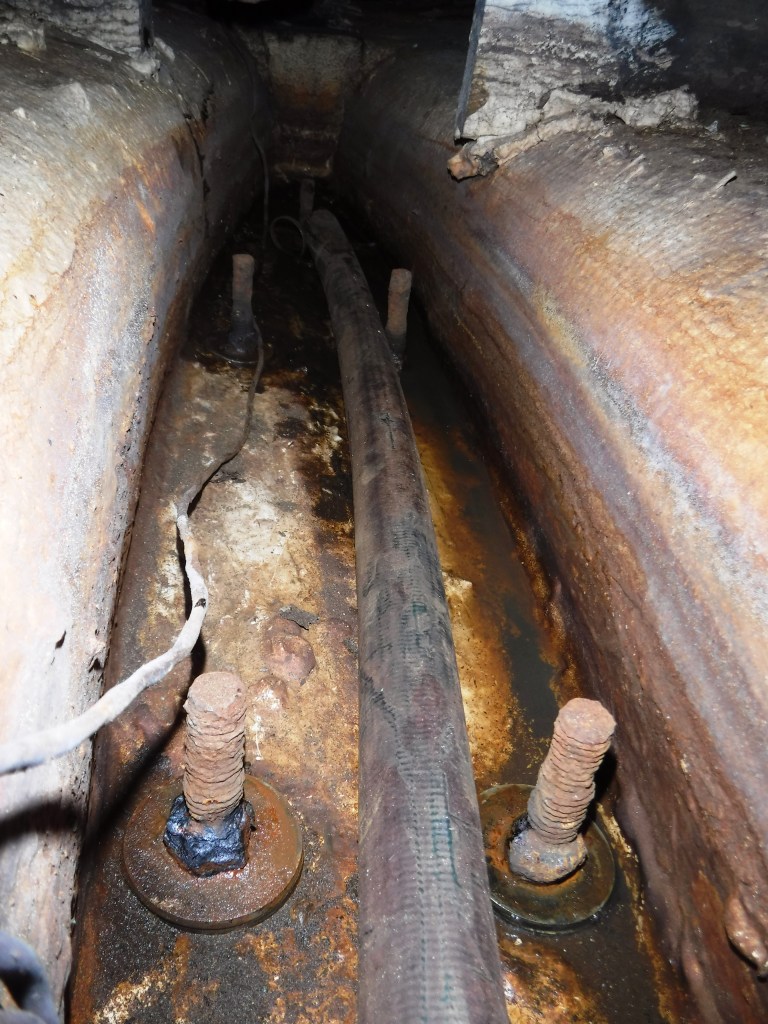
From the outside, the keel joint seemed primarily intact. When I ground back the damaged gel coat, I only found tiny little holes in the seal. And from all that I had read, there was a good chance the bond between the keel joint and the hull was still quite sound. On the inside, the nuts appeared to be fused to the bolts, so removing them wasn’t going to be easy. And with all the activity in our backyard, I couldn’t imagine lifting Felicity off her keel to take a better look at it.
To the best of my knowledge, Catalina’s can have either mild or stainless steel keel bolts. It’s easy to find out since mild steel is magnetic.
But wondering about the bolts’ integrity kept me awake at night. My thoughts seemed to wander, drifting from sensible to ridiculous and back again.
I thought about calling a marine surveyor, and probably will, before we get out on the lake. I also thought about tapping the bolts with a hammer to see if anything broke off. Even taking the “check-out-the-tires-on-a used-car” approach and give the bolts a jolly good kicking. But like I said, the mind tends to wander in the middle of the night.
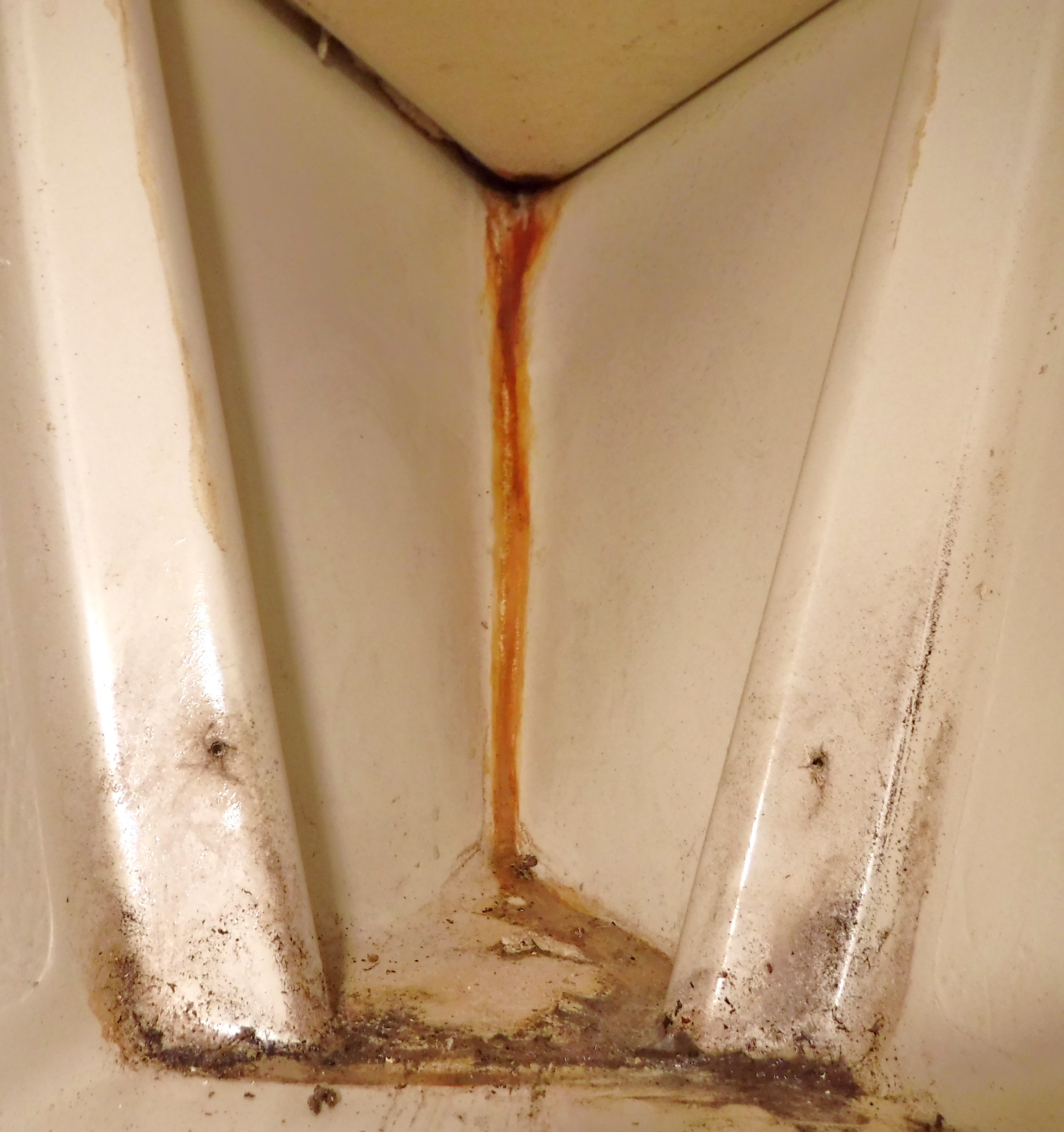
Eventually, I ground off the end of a bolt to see what lay under the rust. It revealed the bright shiny steel of a healthy-looking keel bolt which I found reassuring. Looking at the shape of the corrosion on the bolt, I guessed they spent a lot of time sitting in a bilge full of water.
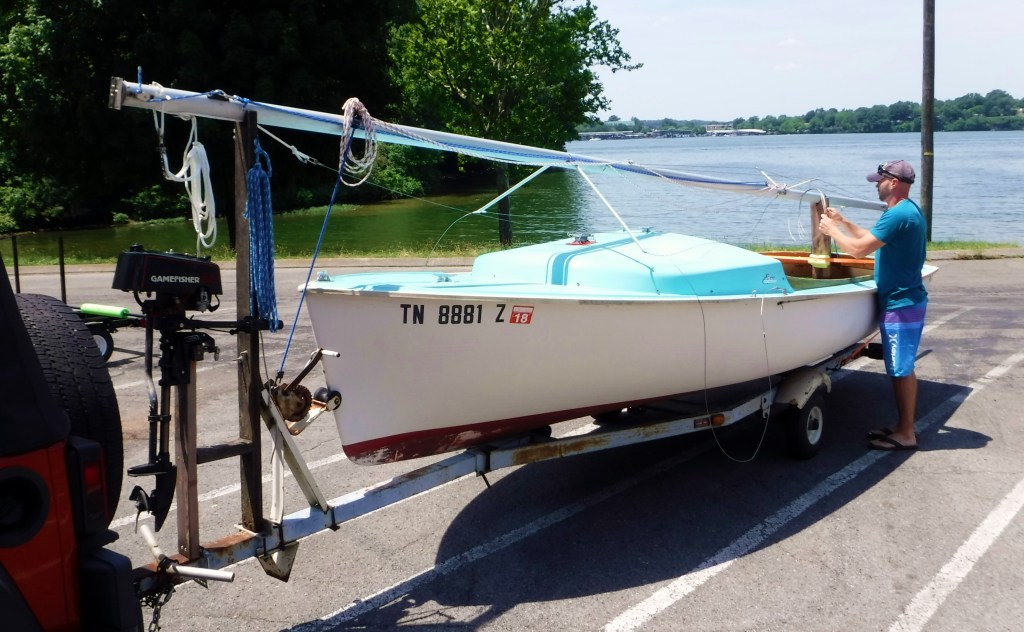
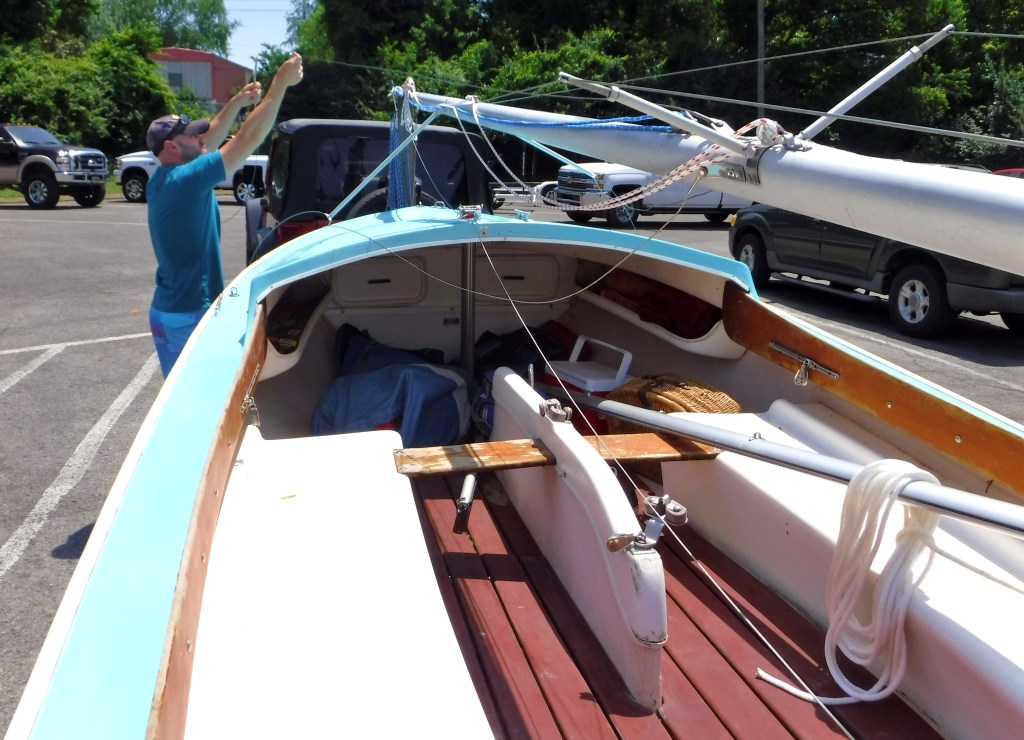
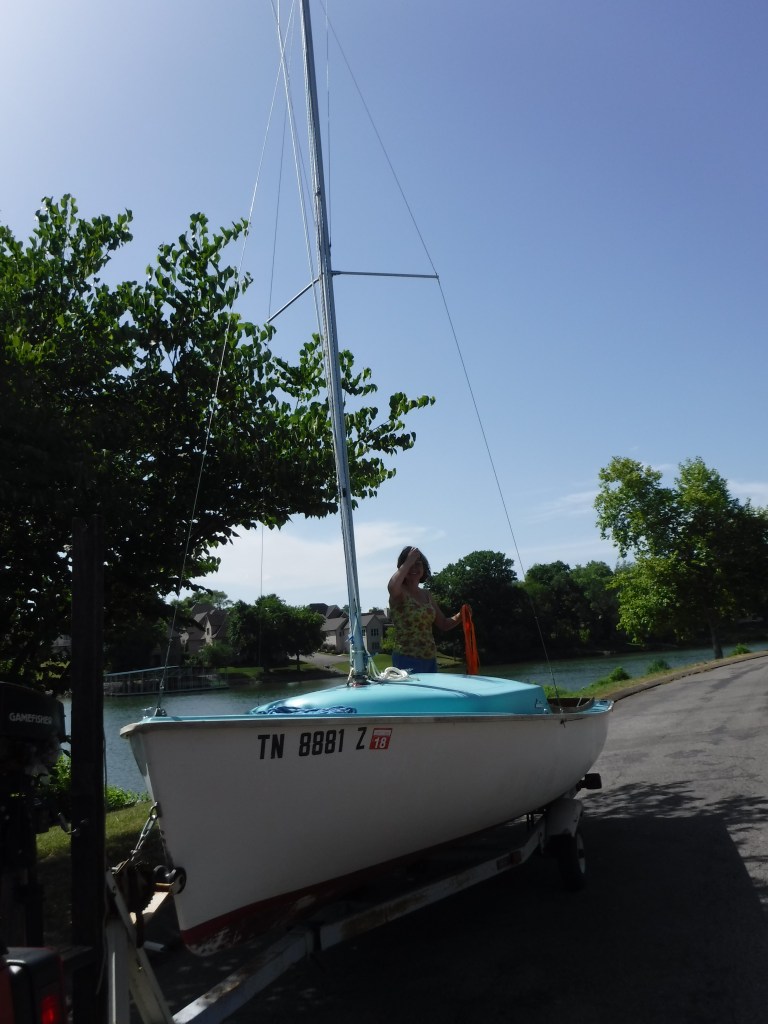
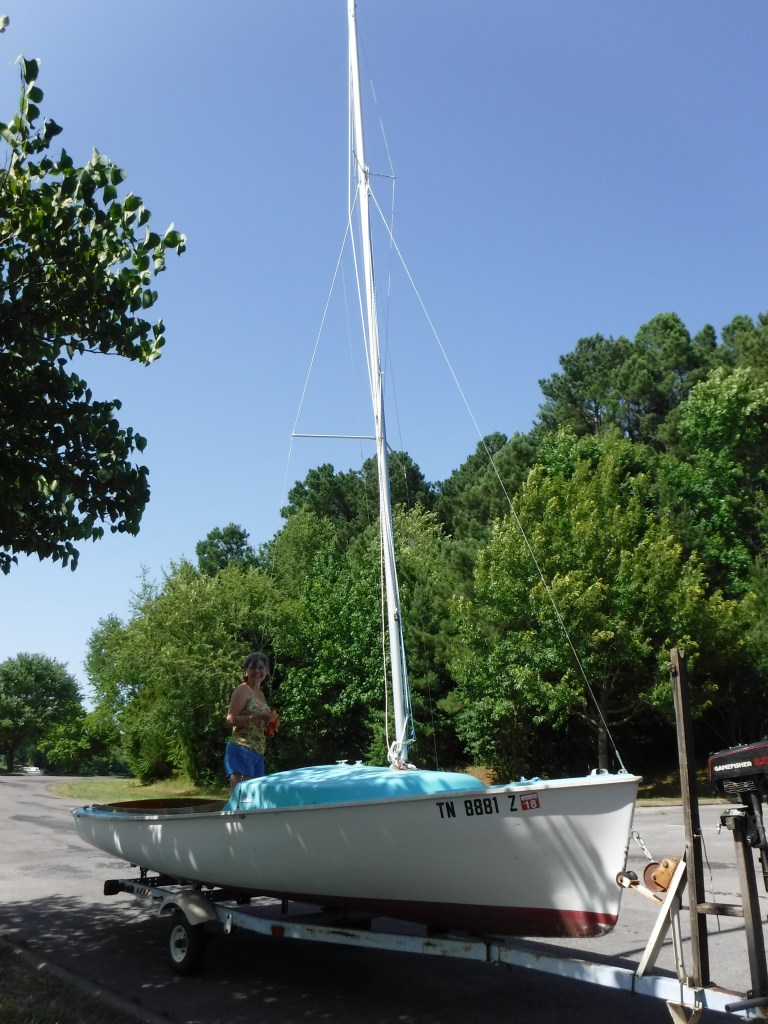
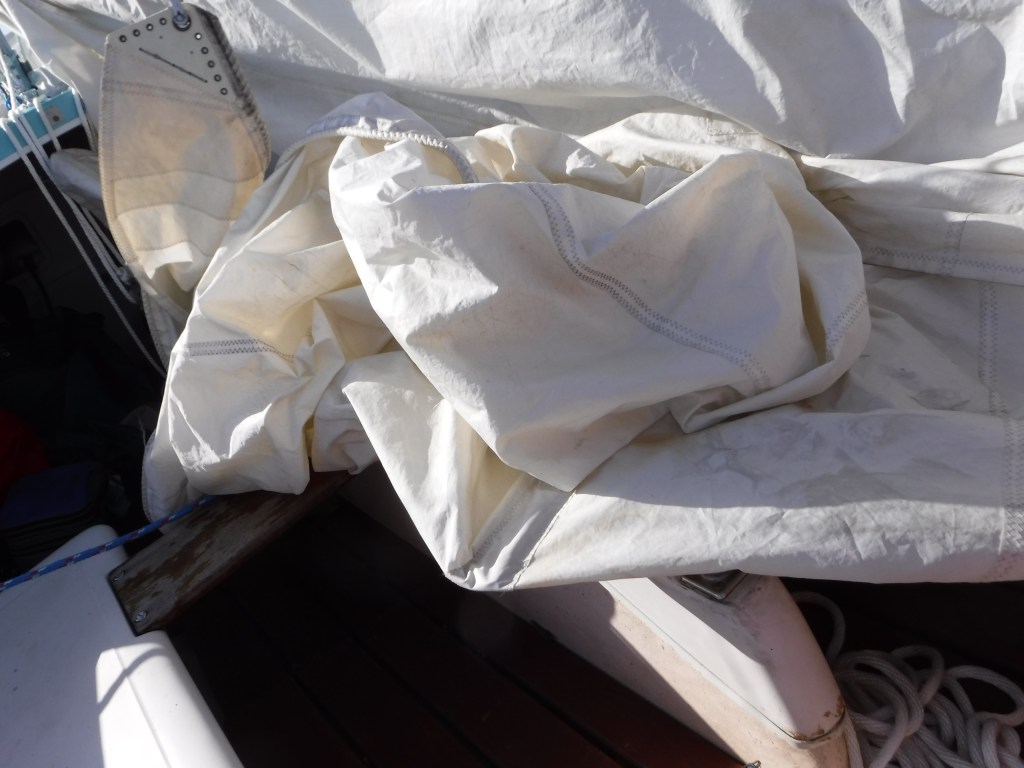
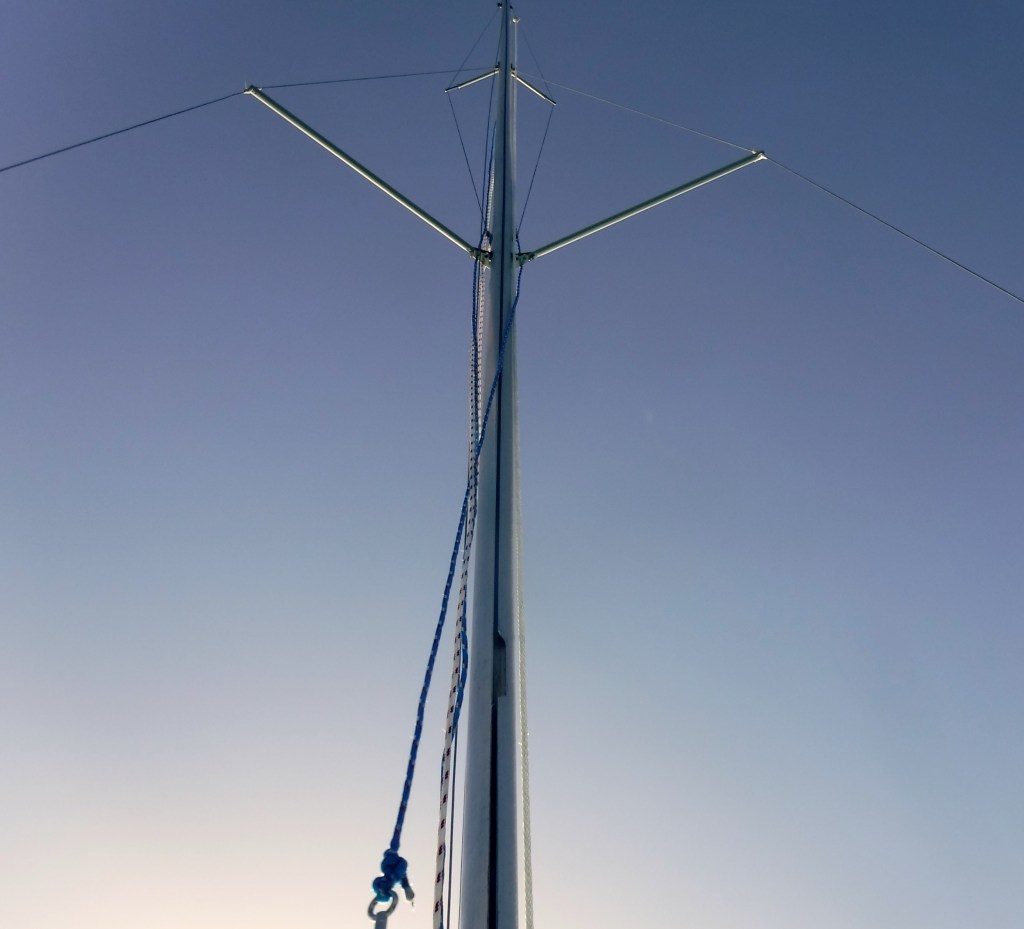
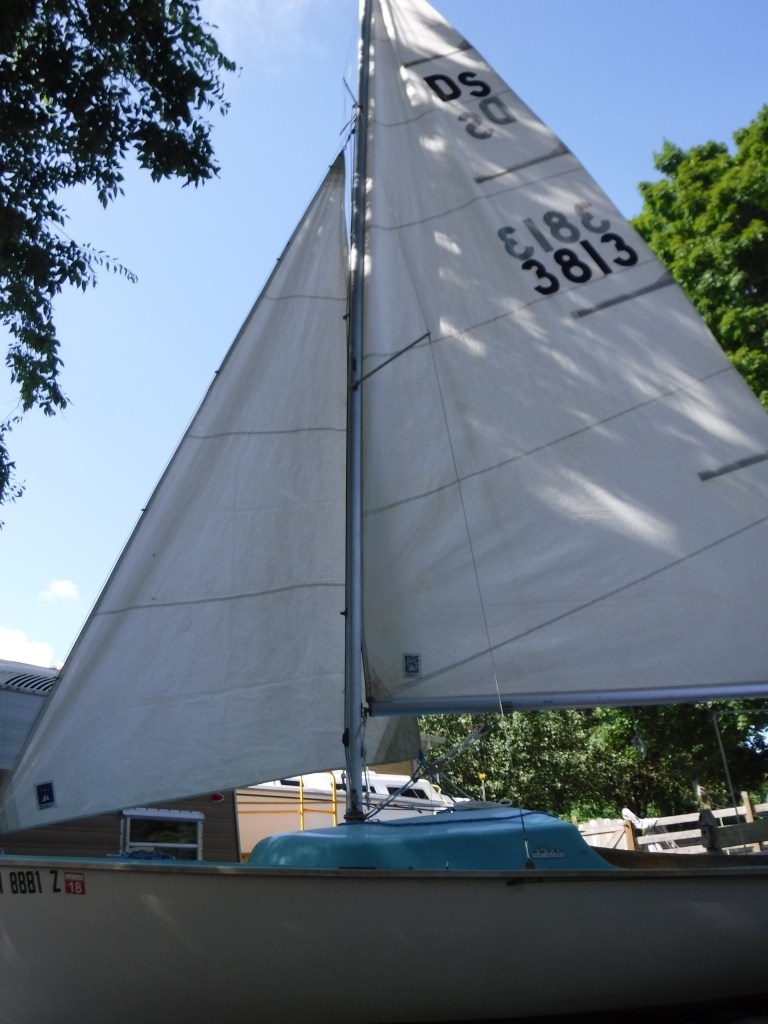
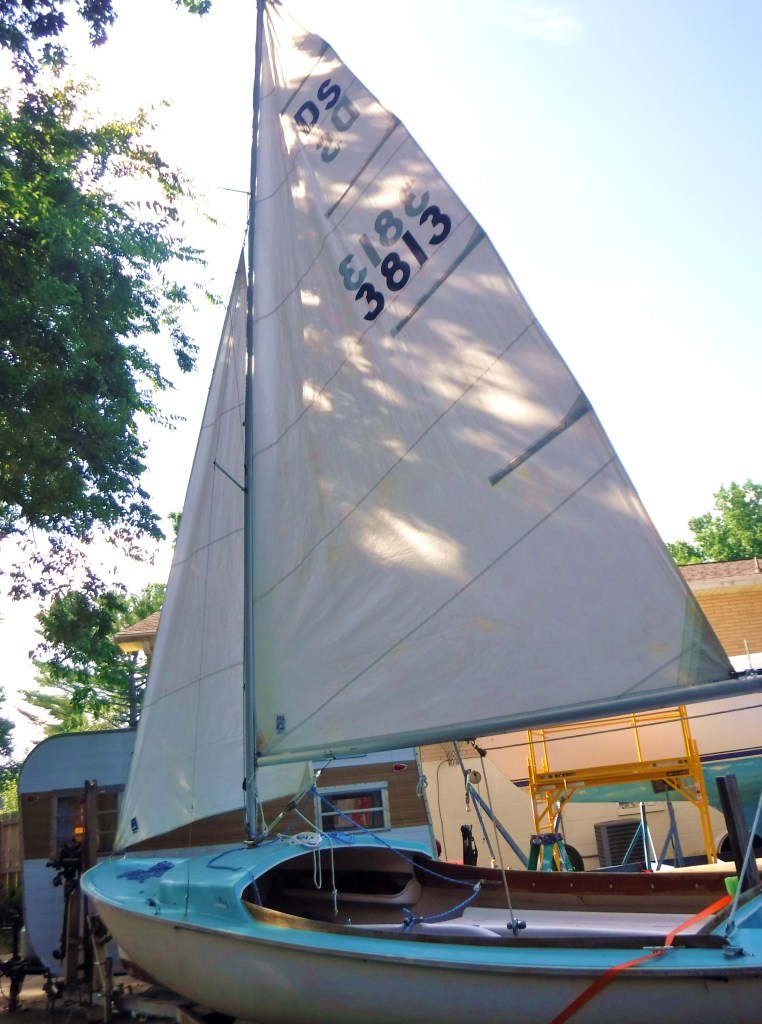
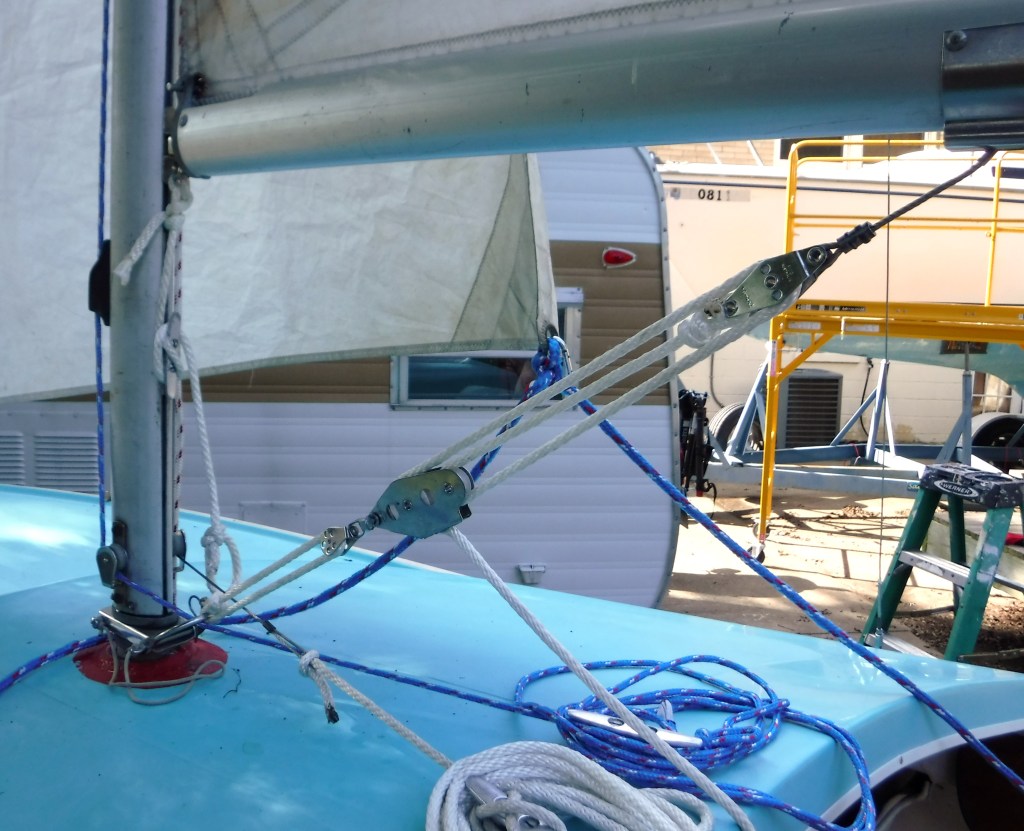
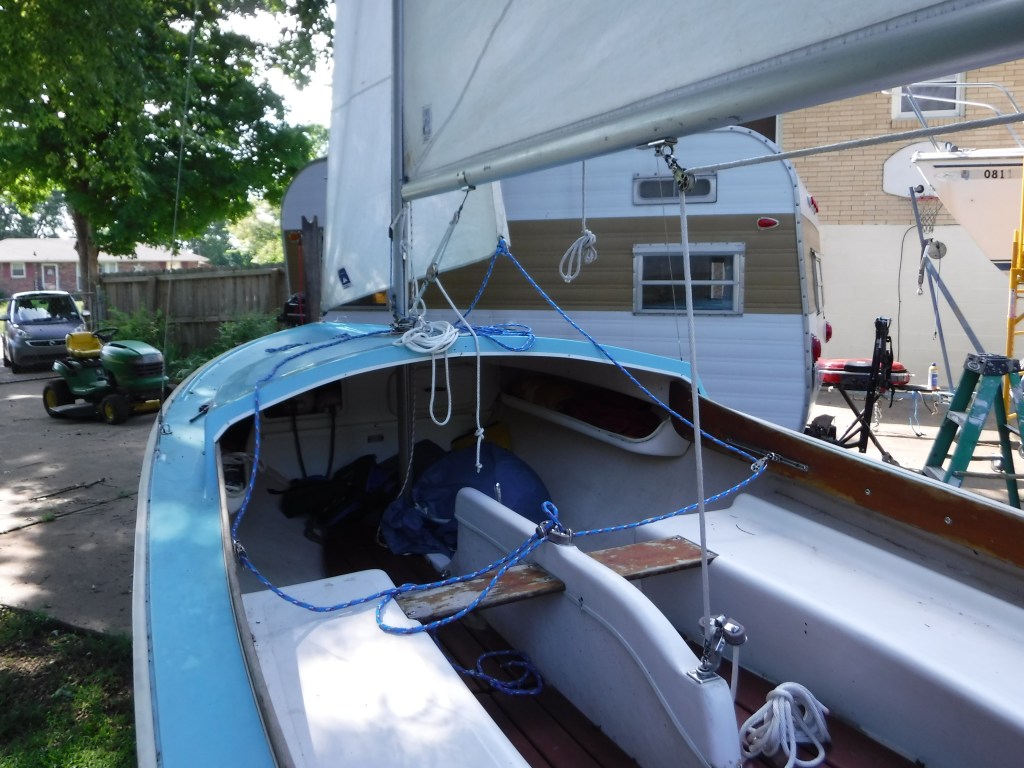
To preserve the bolts’ condition, I had to keep out the rain. Leaky deck fittings and portlights allowed water to seep into Felicity’s bilge. Since I still needed access to Felicity’s deck, I put up a makeshift mast, ran a line fore and aft then covered her with a tarp.
To stop the corrosion, I used a rust inhibitor that, according to the manufacturer, works well on rusty surfaces. Fortunately, I didn’t have to grind the bolt back to the shiny mild steel underneath.
I cleaned up the bolts with a wire brush and soapy water, then applied three coats of inhibitor. Each coat took about twenty minutes to dry, changing color from white to black. Once ready, I painted the bolts with galvanizing paint.
Now a bilge full of water, salt, fresh or otherwise, will not only corrode the keel bolts but over time may saturate the wooden core of the keel stub. So in my next post, I’ll tell you how I reinforced the keel stub to prepare for the new stainless steel keel bolts.
Again, if you’d like to see the video, click here, https://youtu.be/uqBt0HUBuLw.
Feel free to leave a comment or ask any questions below.
Thank you so much for visiting my blog, and until next time, jibe on y’all!
Q. Is the water in my bilge from the rain or from the sea
Q. Where can I read about keel bolts?













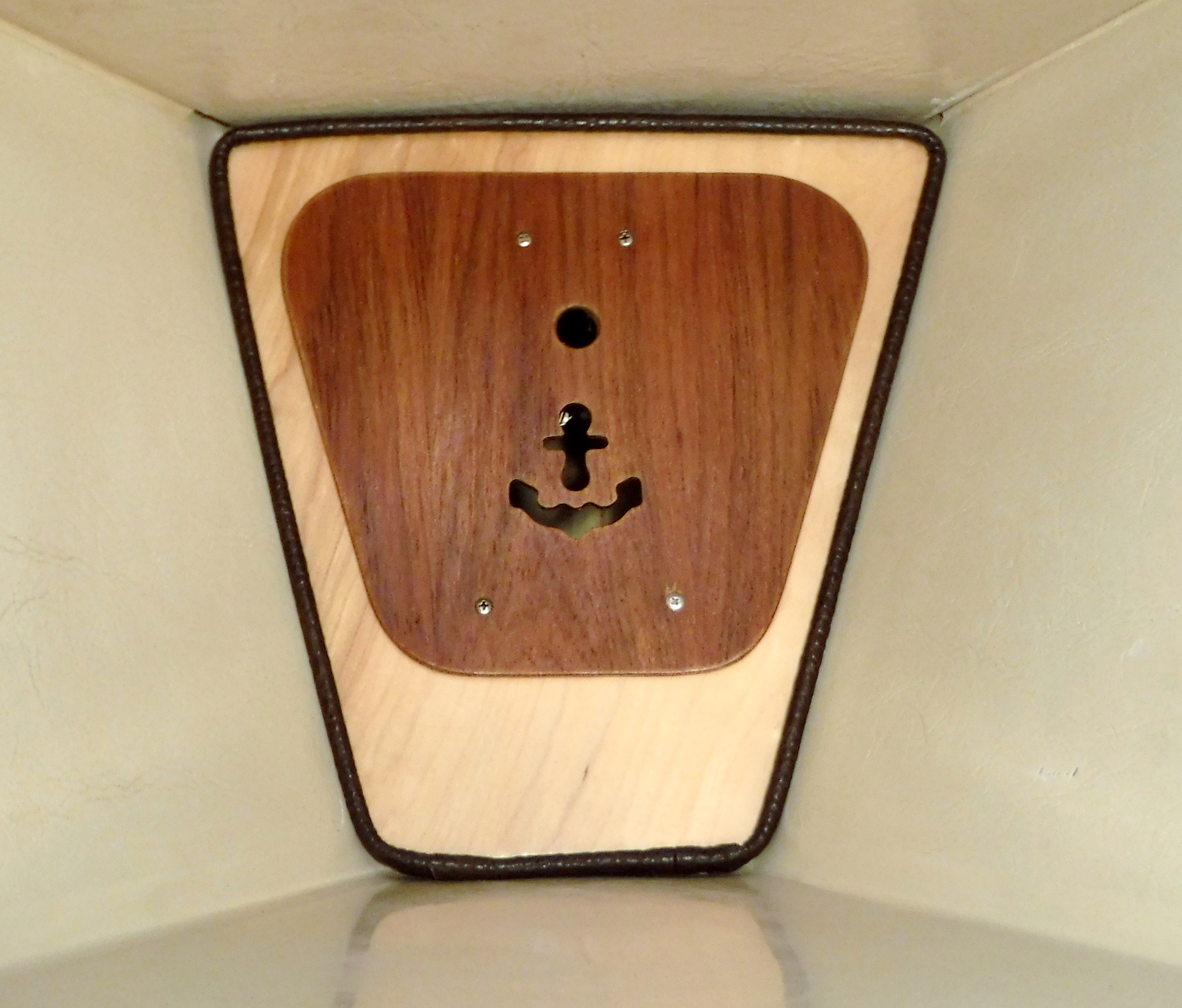
 Hello again, readers. I just couldn’t wait to post the story of my anchor locker. I know, it’s exciting for you too isn’t it, that dirty old triangular box at the bow where sailboats store the parking brake.
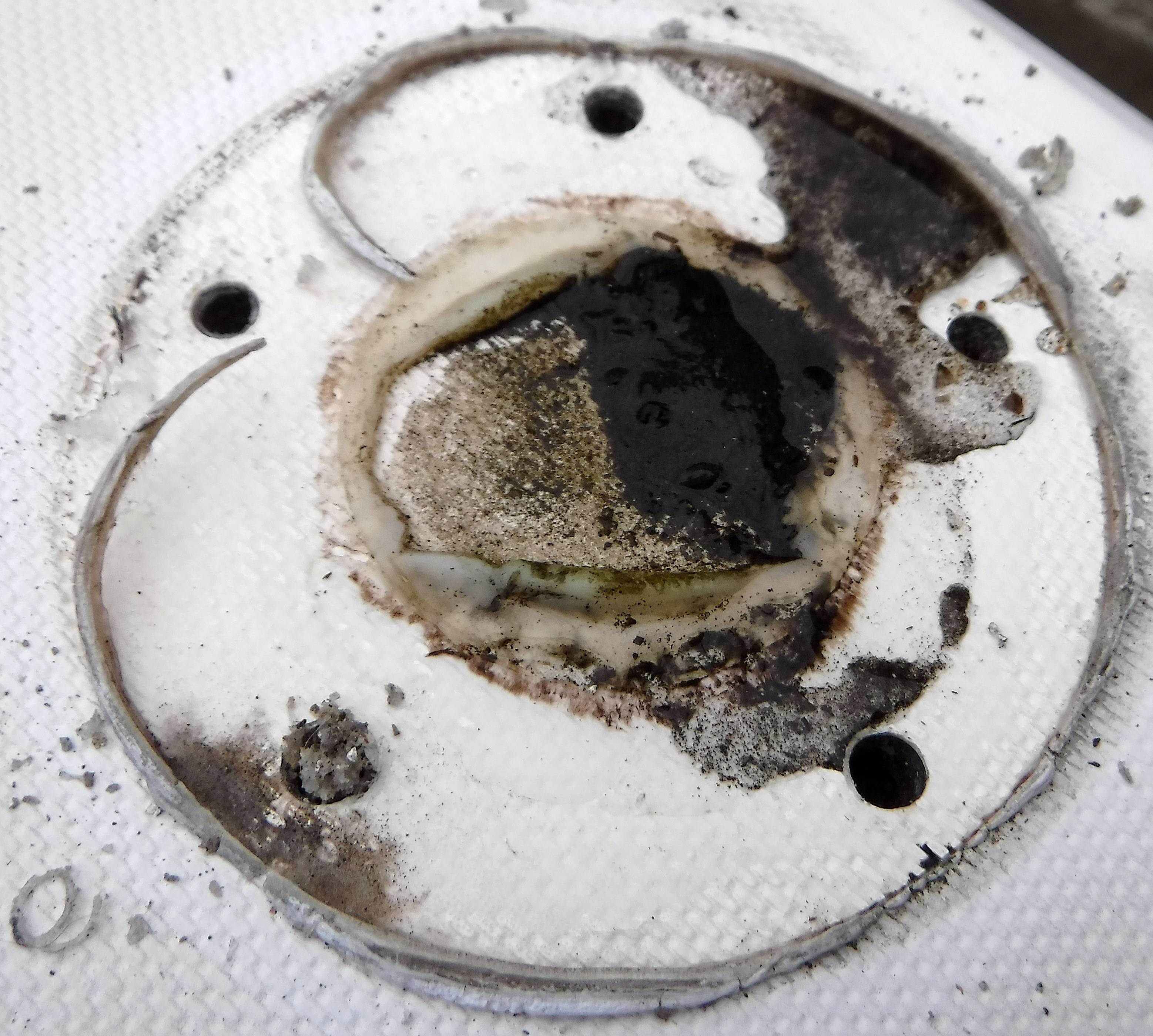
 I mapped the deck’s curve on a piece of 1 x 6 pine and cut along the line, producing a matching curved edge. After making slits in the top layer of ply, I screwed it down to the template. Once the ply was in place I glassed it with alternate layers of fiberglass cloth and matting. Once it had cured, I removed it from the template and glassed the whole thing. I had a perfectly shaped, very solid composite board which I glued to the underside of the fore-deck. Handyman’s tip: those annoying loan offers that come in the mail supply free construction glue applicators. People are so generous. Anyway, I made sure that I jacked and clamped the board tightly. It became an excellent reinforcement for stainless steel backing plates, washers, nuts and bolts.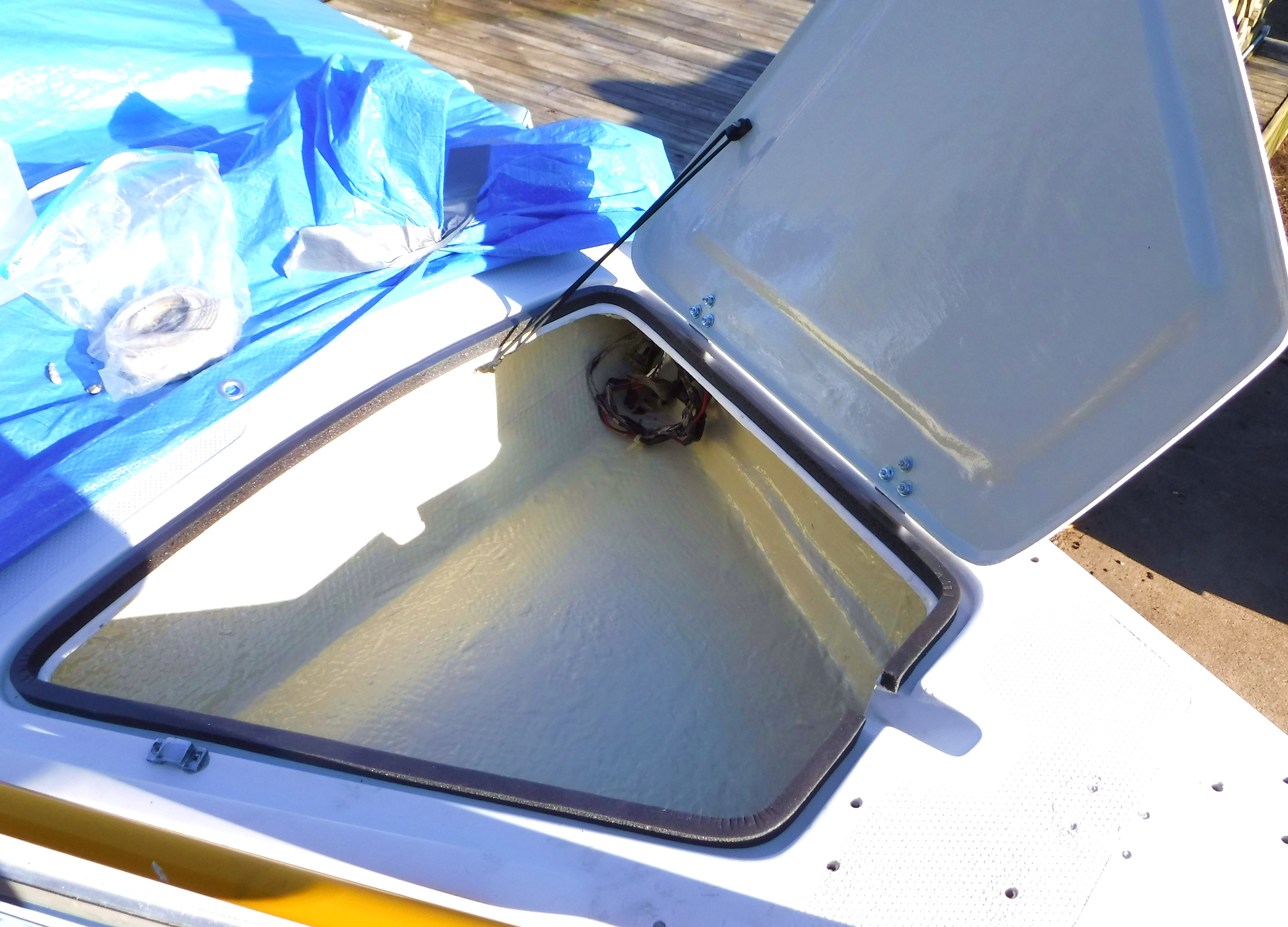



 Buying my sailboat changed me. Now I view YouTube as an excellent source for learning. I dread to think how much it would have cost to have an expert refurbish all six of the Lewmar winches. When I pulled them from the deck, I didn’t know how to repair them and even contemplated purchasing replacements. Without YouTube, my renovation would either be sunk or I would be out of pocket.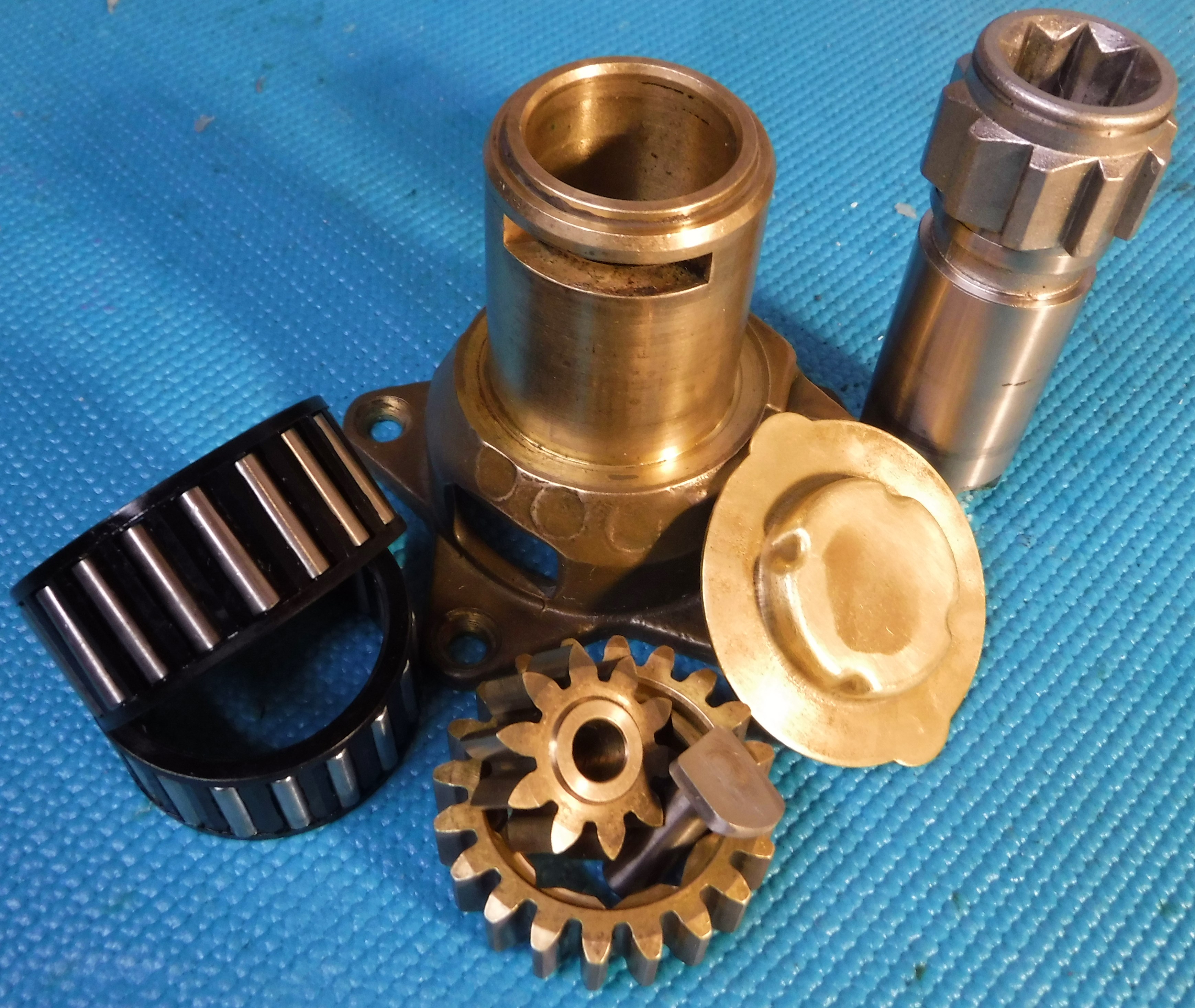
 When I found my used sailboat, I looked her over, poked around and then decided to give her a go. Back in 1981, when Catalina produced this 25′ sloop, I had met my first wife and did pretty much the same thing with her. I married the woman, knowing little about who she was.
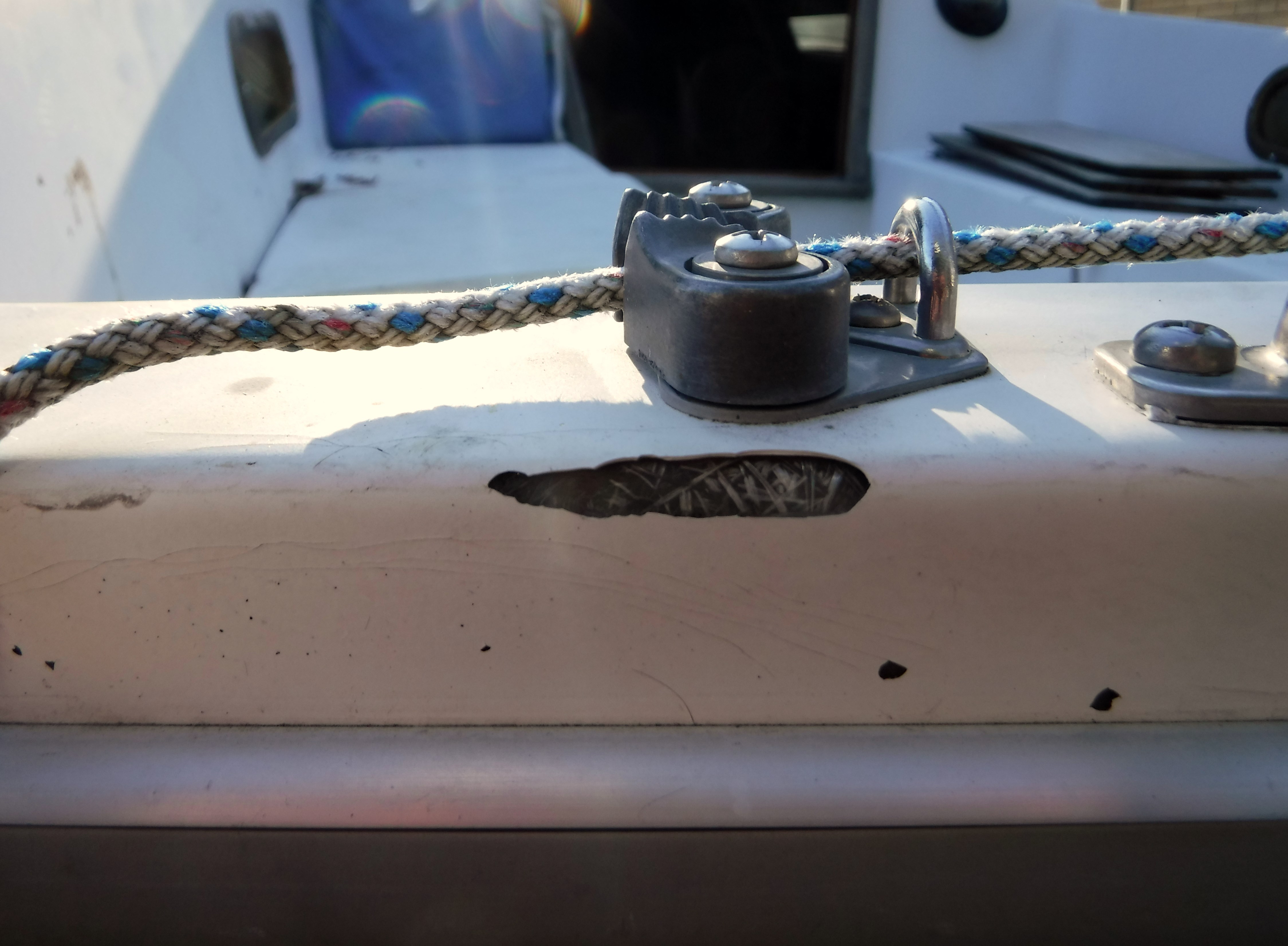
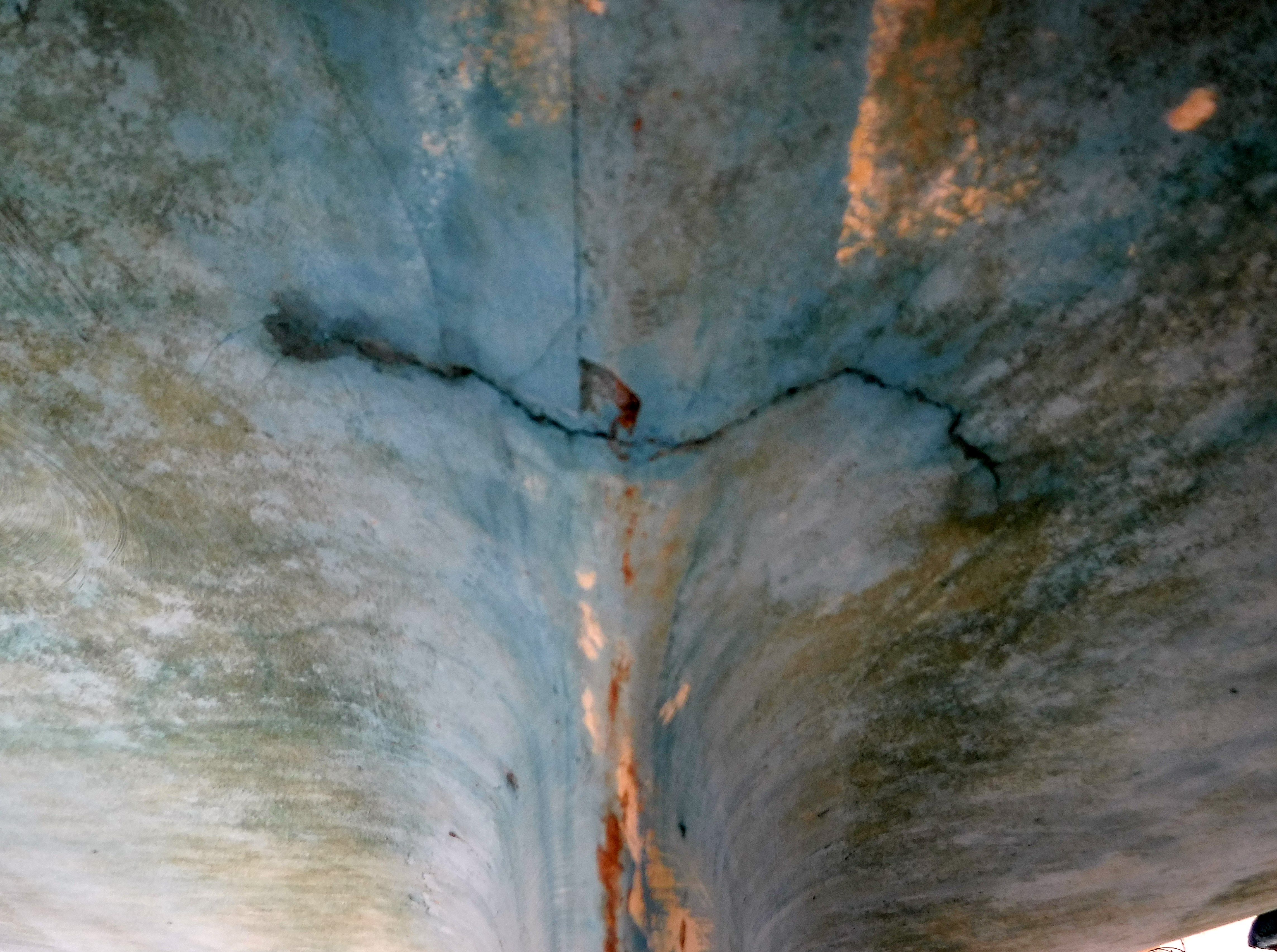 One example of a knock-on effect is the crack in the hull where the hull extends downward, forming the base of the keel joint. I knew what the “Catalina Smile” was, but this crack was not in the keel joint. I also discovered some damage on the forward tip of the fin and deduced that the boat must have run aground at some point. Absorbing the energy from the altercation, I imagined the rear of the keel flexing upward into the hull. The absence of a depth finder aboard the boat supported my sharp-witted theory. I added the gadget to my wish list.
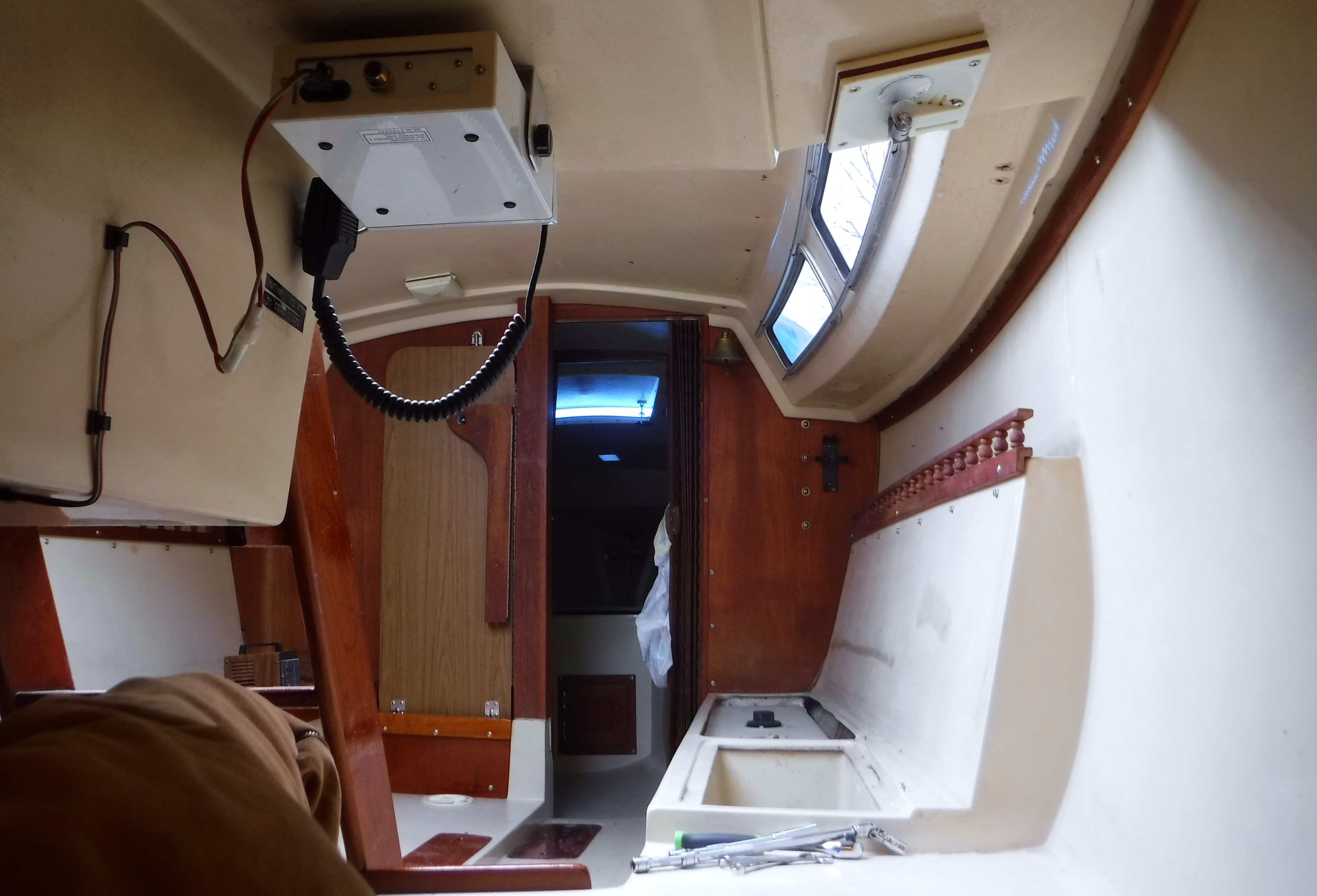 Overall, the most significant issue for me, I believe, was not knowing where to begin the renovation. Plagued by rain, then snow, and more bloody rain, I wondered, why did I ever leave England? Unusually, the sun here in Tennessee rarely shone during winter this year. Nor does it shine at the moment in the earliest part of spring.
 Finally, it was in the late 1990’s that I met the love of my life. The last eighteen years of happily-ever-after taught much about valuable relationships. I discovered that true love is more about what you are willing to let go of than what you can give to each other.
 When I kayak-camped Old Hickory Lake in the fall of 2016, I learned that a broader view of my “ordinary life” created a matching horizon and that every adventure whether great or small sharpened a dull perspective.
 However, elation soon gave way to suspicion. Why did I get such a good deal? Did I overlook a potentially catastrophic fault as I carried out the preliminary inspection? After all, I studied Don Casey’s
  The dreamboat honeymoon lasted for weeks, but soon after, lovey-dovey gave way to practicality. The exact nature of our relationship clarified as I scrutinized her physical condition. I stripped her down and took photographs. I considered her past, her excellent reputation as I picked at her many blemishes. “Who could have done this to you?” I asked and finally deduced that for several years others had mistreated her. Used and abused, my Catalina 25 bore the scars of macho neglect. “She” is the worn out residue of her previous relationships. I desperately wanted to fix her, a scenario I frequently encountered during my twenties and thirties.
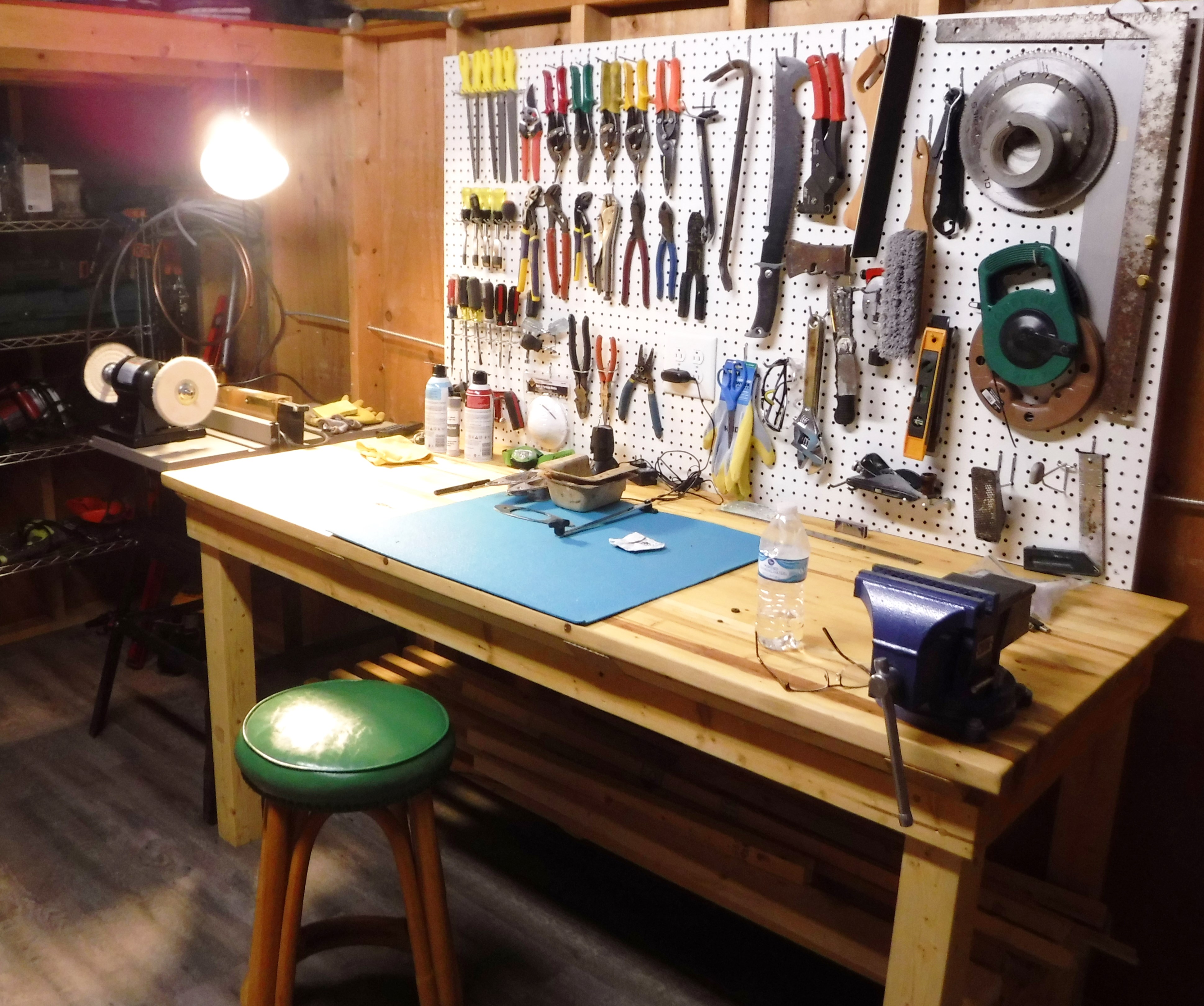
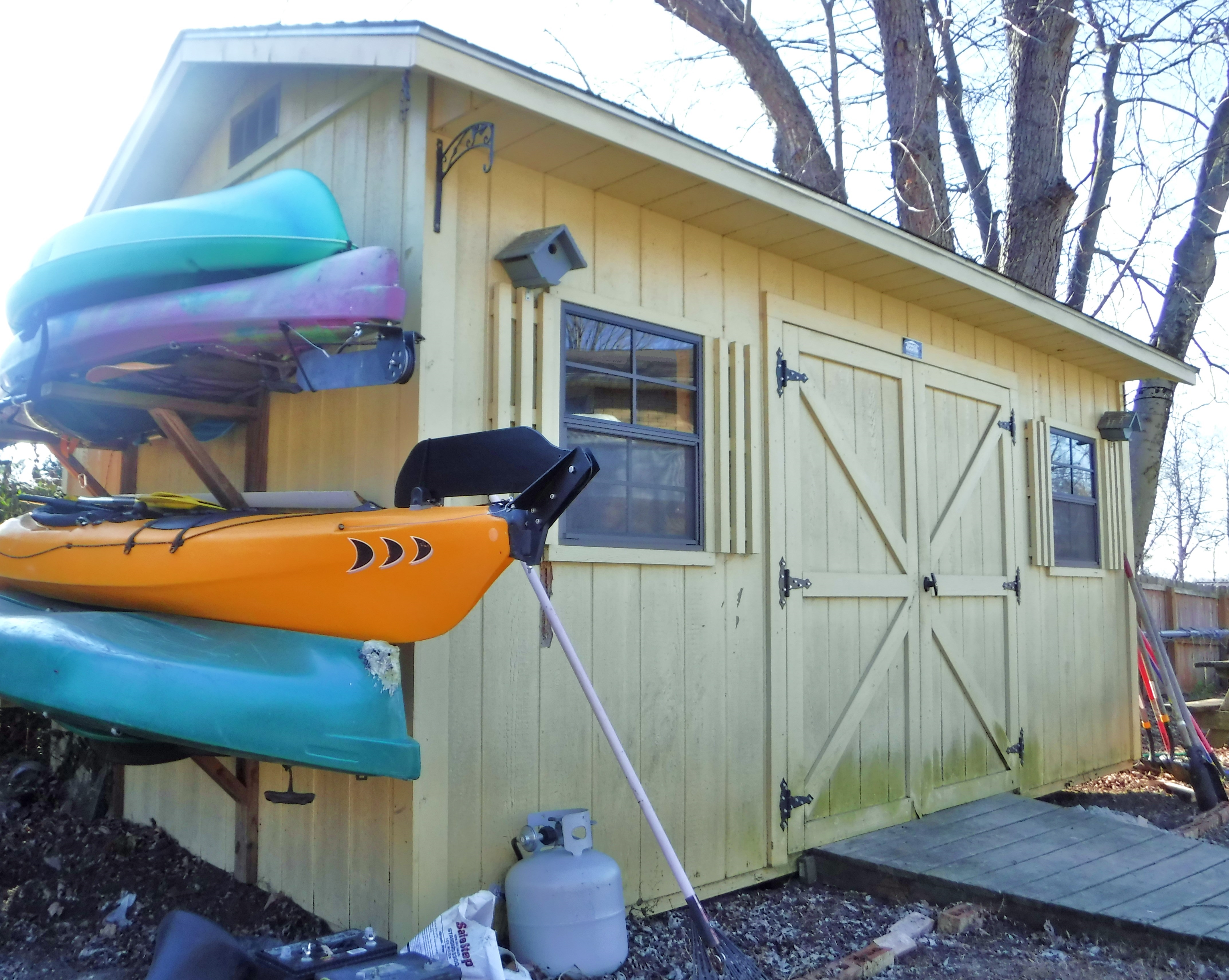 For almost ten years, our 16 X 10 feet Spacemaker shed housed the junk that I cleared out of our basement when I converted the space into a yoga room, an office and a studio. Although I referred to the outbuilding as the garden shed, it became, over time, a storage room for all of those “rainy day” items. Now, more than one thousand rainy days later, I decided to empty the shed. When I opened the doors, I couldn’t step inside without pulling things out of the way. I didn’t take a picture, but even if I had, I still wouldn’t post it here. The place was a shambles, an overwhelming sight and sharing it would cause such embarrassment.
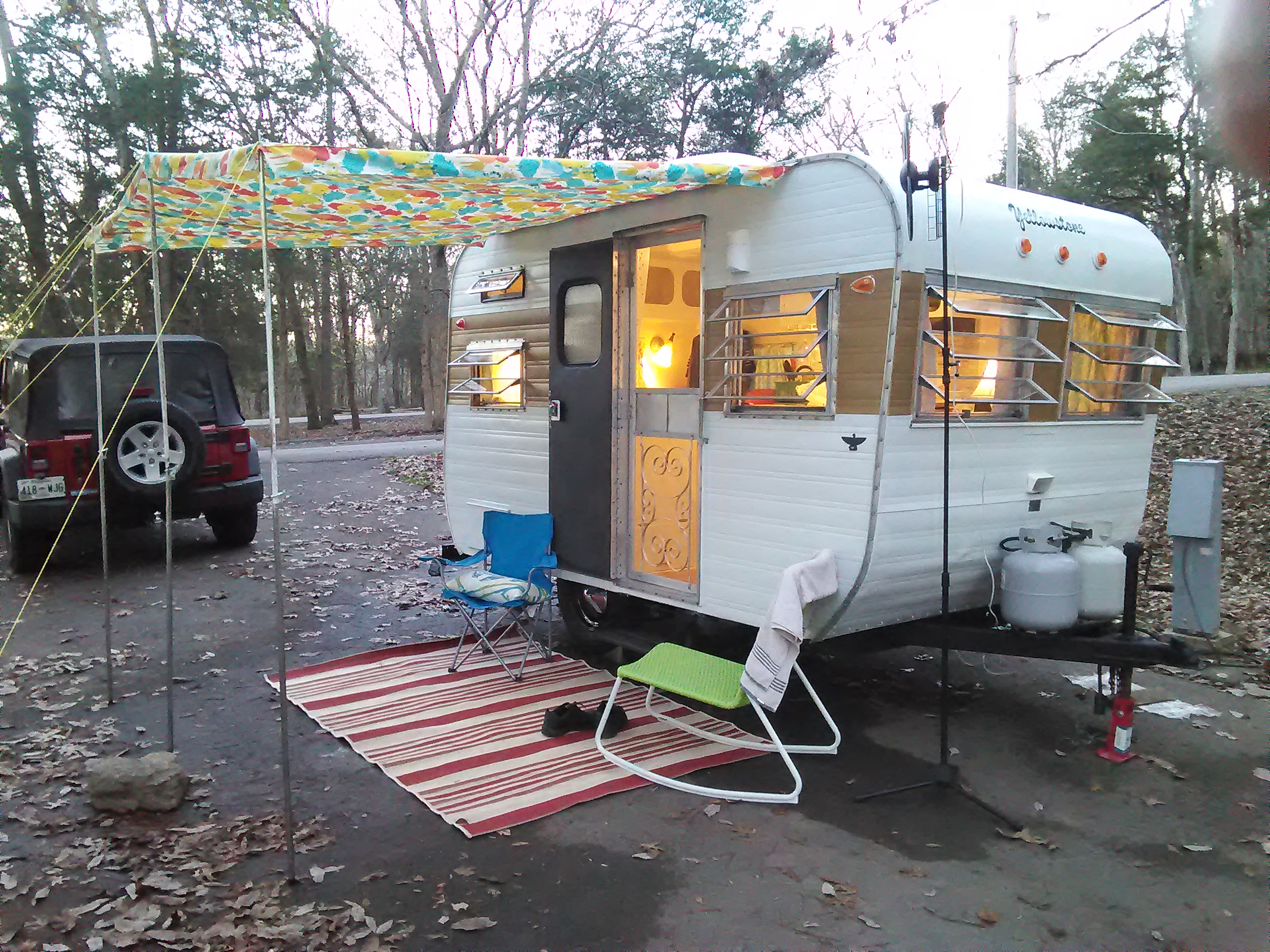 Back in 2014, we renovated a 1967 Yellowstone Camper. I mentioned the project because the garden shed at that time was the bane of my every day. Inundated shelves, cranky old tools and a tangle of overloaded extension cords intensified frustration and often led to a tantrum. One day, my questionable behavior came up in conversation. My wife pointed out that if I repeated the hurling of objects and expletives, the Yellowstone camper would become my new home. “You’ll be out on your ear,” she said. With that freshened perspective, converting the shed into a well-organized workshop garnered every ounce of my enthusiasm.
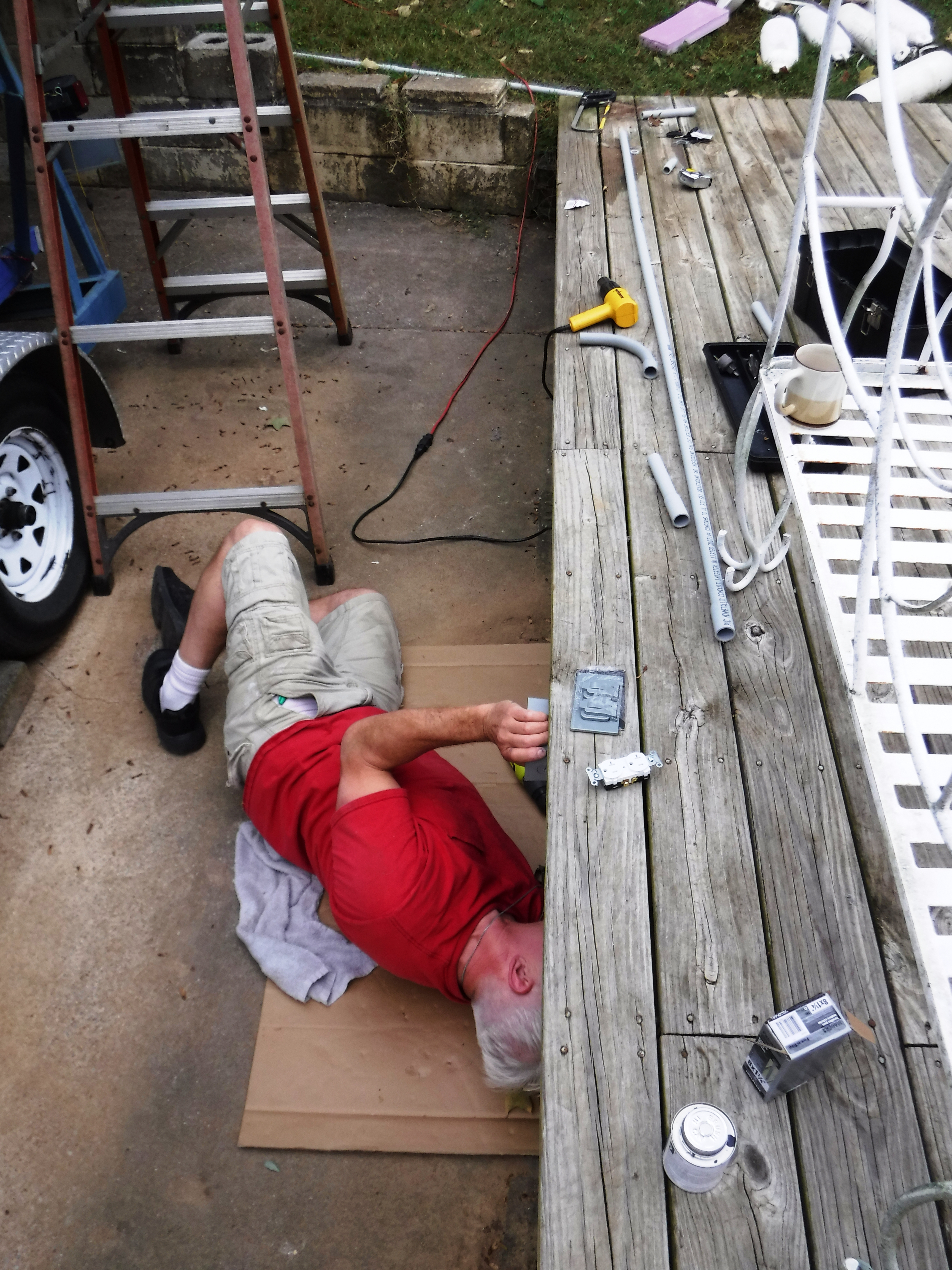 As a licensed electrician, I always make sure that my work follows the
 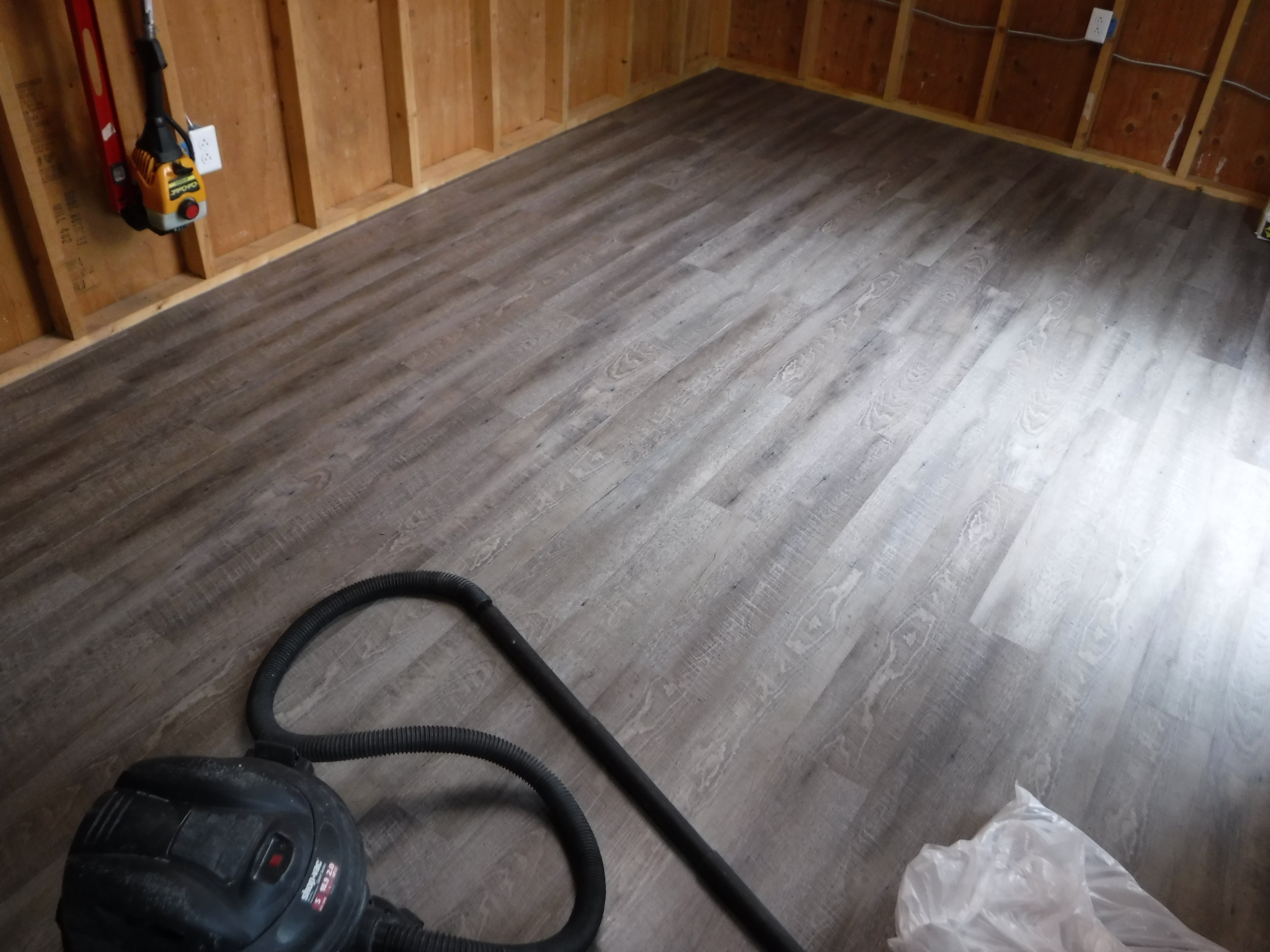 One helpful tip: If you decide on a similar product as the one I selected on price, here is something to bear in mind. The vinyl plank system relies on an almost invisible “tongue and groove” structure and only fits together if laid in one direction. An arrow printed on the adhesive shield directs the correct installation. In my case, however, seeing the new tiles transforming the grotty old floor excited me. Occasionally, I rushed the job, and installed a piece the wrong way. A few hours later, without the support of an adjacent member, the improperly laid tile became partially unstuck and consequently needed replacing.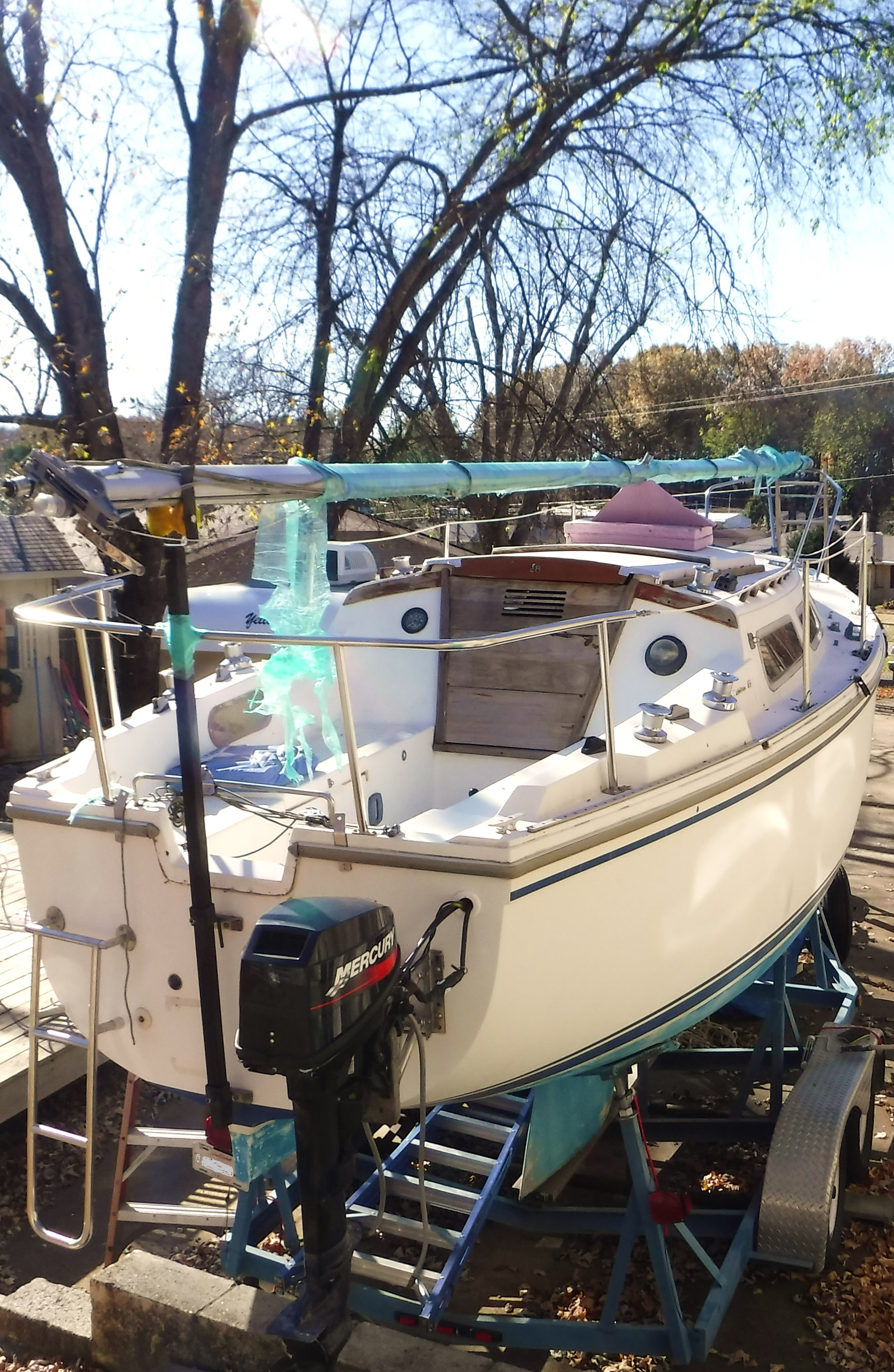


 Martin J. Laight